Every unit is in stock, installed by us, configured in your app, and covered by the maker's warranty plus our two-year workmanship warranty.
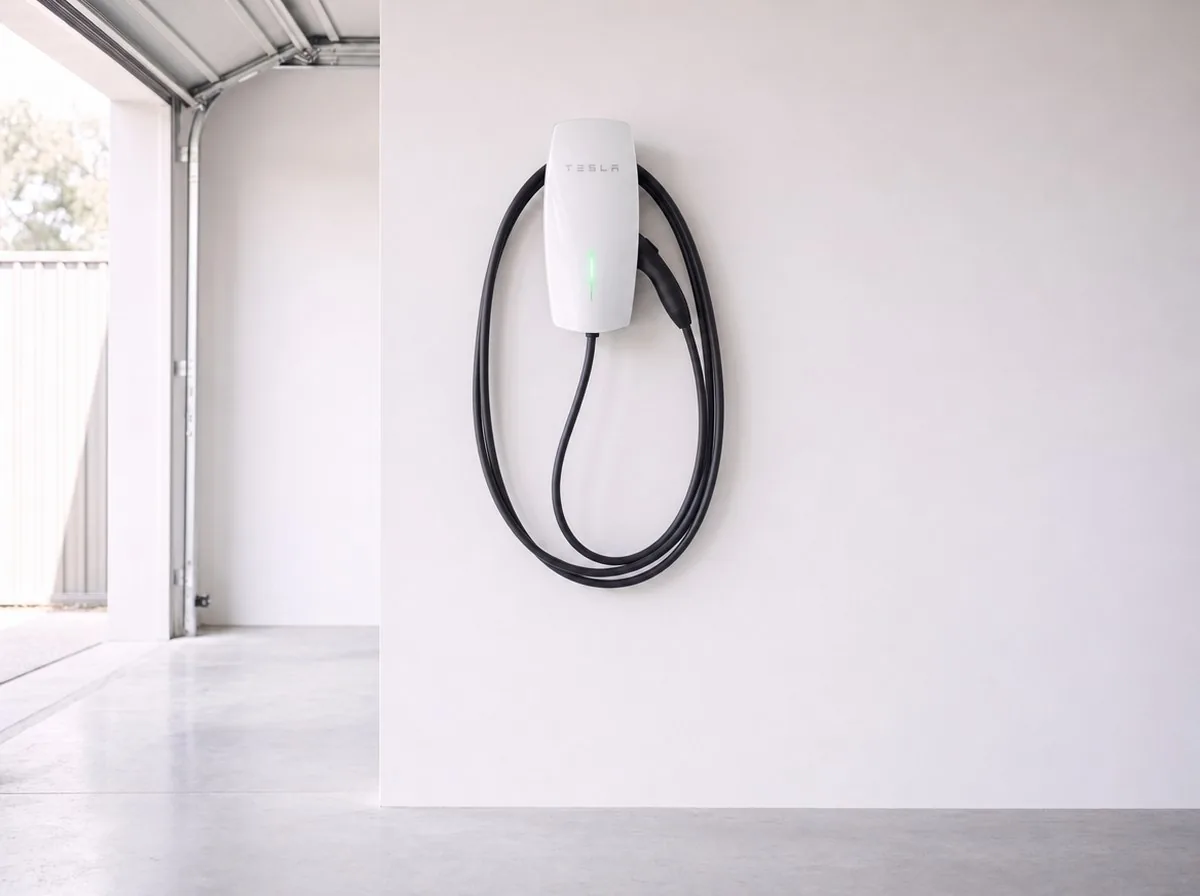
The clean factory look. Charges any EV, pairs natively with the Tesla app. Licensed installation keeps your warranty valid.
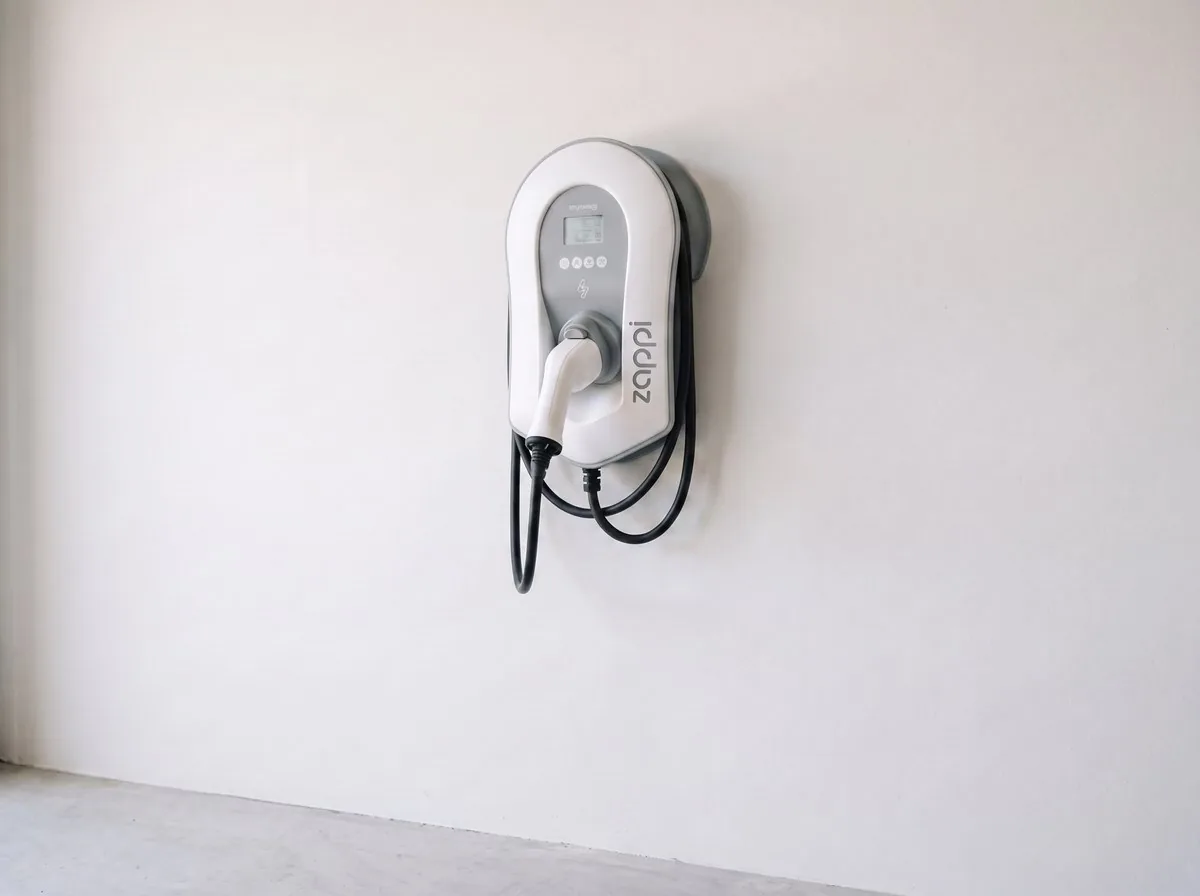
Charges your car on excess solar only — genuinely free kilometres. We fit and tune it to your inverter before we leave.
Or build it on myenergi's own configurator and it comes straight to us: Zappi · Zappi GLO
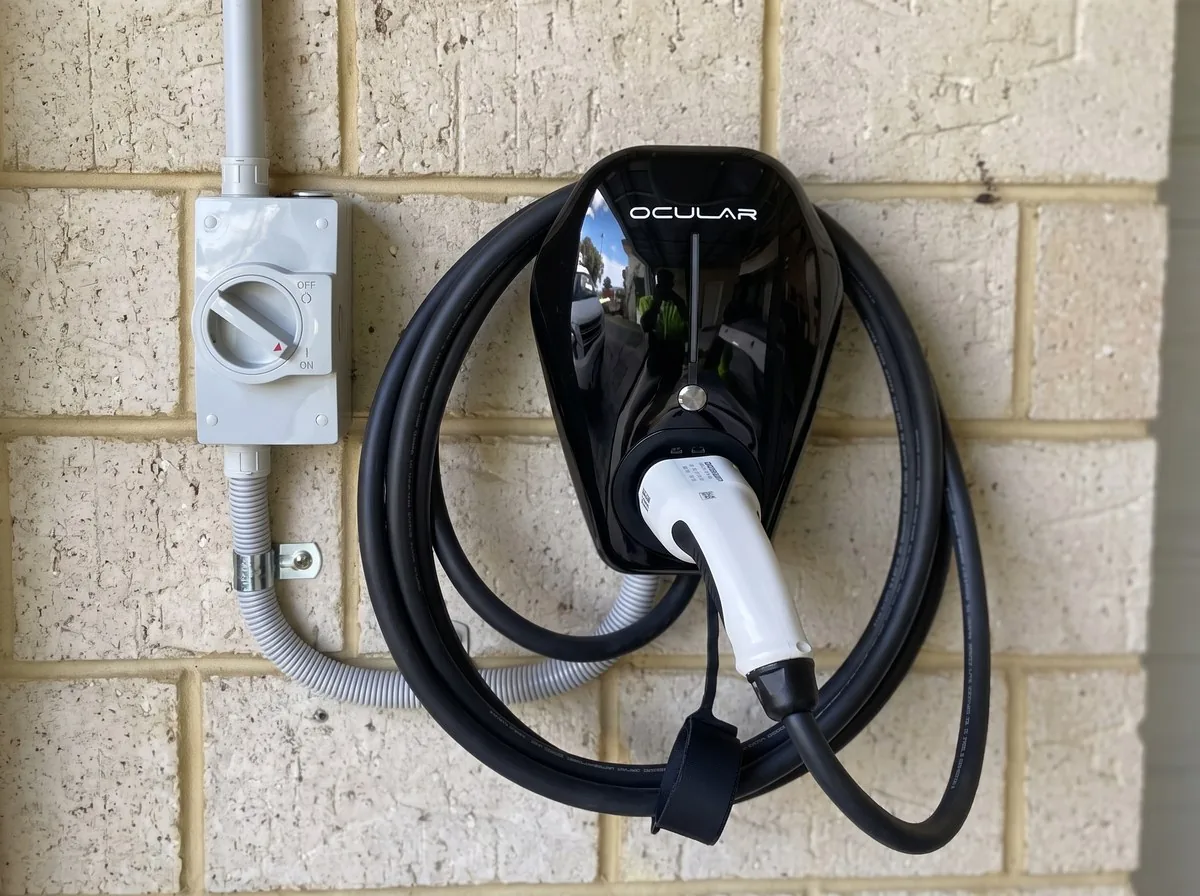
Australian-designed smart charger with app control and off-peak scheduling. The unit we'd put on our own wall.
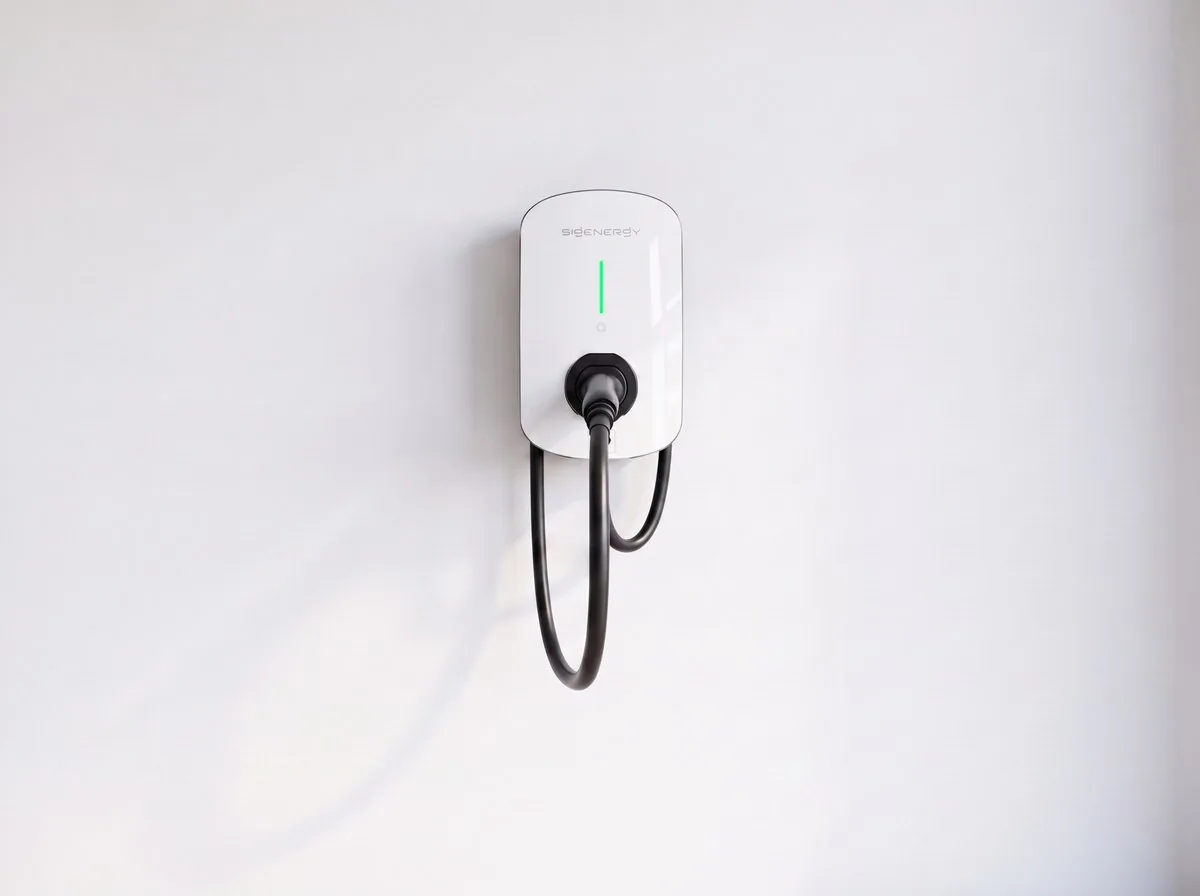
Built to work with a Sigenergy solar and battery system — it charges from surplus, schedules against your tariff, and coordinates with the home battery instead of fighting it.
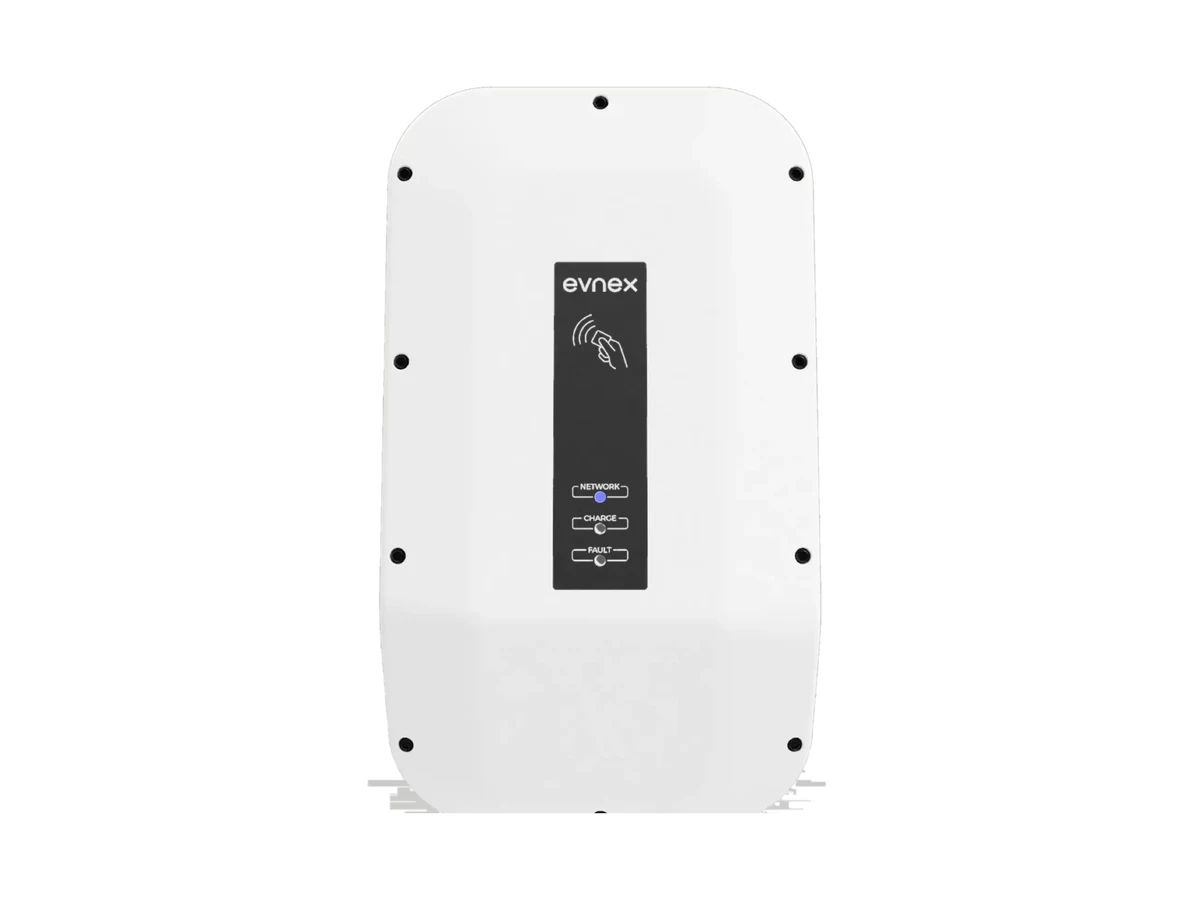
Up to 22 kW — around 120 km of range per hour — when your home has three-phase supply, with Evnex’s solar-surplus charging and load management built in. We confirm your supply from your switchboard photos before anything is ordered.
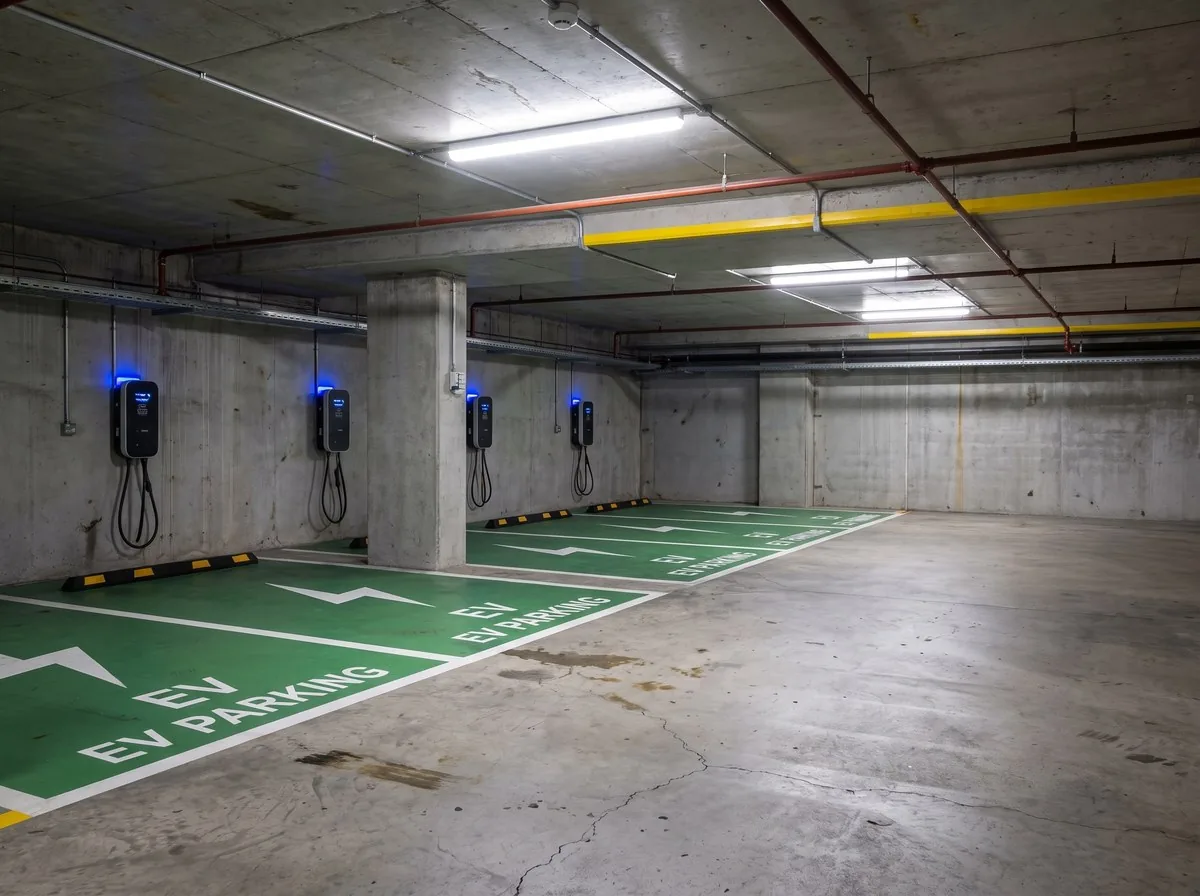
NSW's Right to Charge reforms make approval easier than you think. We handle the paperwork, metering and committee questions.
Nothing to send and no email needed. It’s already set to what we’d fit at most Sydney homes — change anything that isn’t true of yours and it updates as you go. We make the same margin whichever one you pick, so there’s nothing here steering you up.

No solar, and no Tesla app to tie into. That leaves one job: the best-built 7 kW unit for the money.
Not sure about the board — almost nobody is. It doesn’t change this answer: 7.4 kW suits either way, and we read your supply off the switchboard photo before anything is ordered.
Every one of these is a unit we can actually get. Prices land in your quote as one installed figure — the charger, the circuit and the certificate together.
Three answers can’t see your switchboard. We confirm your supply and your car’s real limit from your photos before anything is ordered — and we’ll tell you if a cheaper unit does the job.
In an apartment or strata carpark? That’s a different job — see apartments & strata.
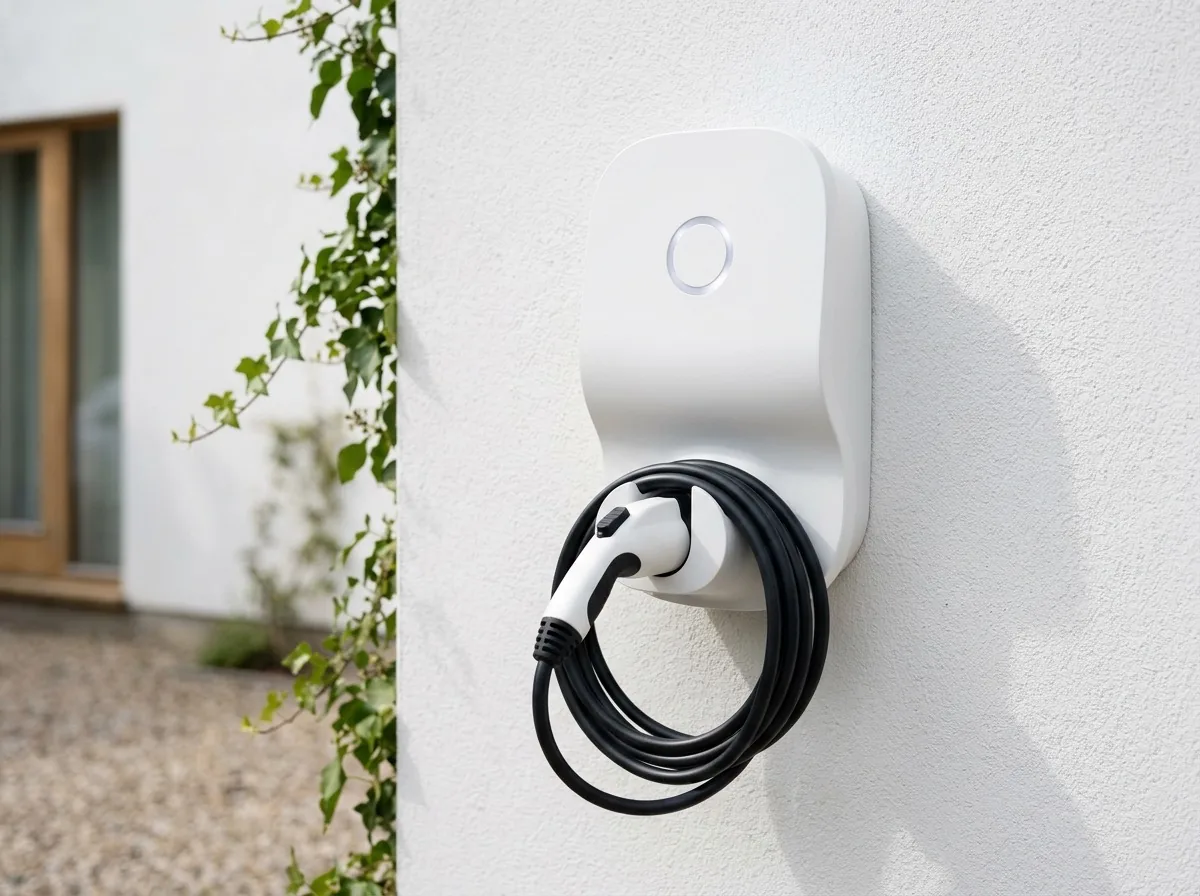
The number on the box is the most it can deliver. What you actually get is whichever is smaller: what your house can supply, or what your car will accept.
What almost every Sydney home already has. No supply upgrade, no network application, no waiting. This is the right answer for most people.
Needs three-phase supply at the switchboard. Worth it if you drive a lot, run two EVs, or plug in late and leave early.
The fastest you can go on AC at home — but only a handful of cars actually accept it. Check yours before paying for it.
Range figures assume a typical EV using around 18 kWh per 100 km. “Empty to full” is roughly 10–100% on a 60 kWh battery — scale it to your own car. Home AC charging is a different thing to the DC fast chargers you see at service stations; those are far quicker and far harder on the battery.
Every EV comes with a portable lead for a normal power point. It will charge your car. It just takes most of a weekend to do it.
A portable lead draws around 2 kW. That's roughly 10 km of range an hour, so a full charge runs past 24 hours. Miss a night and you don't catch up the next day.
An ordinary power point was designed for appliances that switch on and off. Ten hours a night at close to its rated current, every night, is not what it was built for — especially on older wiring or a shared circuit. Never on a double adaptor or an extension lead.
It's genuinely useful at a holiday house or a friend's place. As the way you charge at home every night, it's the wrong tool — and the part of the setup nobody inspected.
Most chargers come with a fixed cable of around 5 to 7 metres. That sounds like plenty until the charge port is on the far corner of the car and the charger is on the other side of the garage.
Before you settle on a spot, walk it out with a tape measure — from where the unit would sit on the wall, to where the port actually ends up when the car is parked the way you park it.
If the run is tight, an untethered unit is the fix — you supply your own Type 2 lead in whatever length you need, and unplug it when you're done. Tell us the distance in your quote and we'll say plainly whether the standard cable reaches.
Get it measured properlyYour main switch has a limit. A 7 kW charger uses about a third of a typical home’s supply on its own — add the oven, the aircon and the hot water on a summer evening and something has to give. Dynamic load management is a small power sensor on your switchboard that watches the whole house in real time, eases the charger back for a few minutes when everything else is running, then brings it straight back up.
Without it, the only protection is the main switch tripping — a dark house, a car that didn’t charge, and a reset at 11 pm. With it, the charger simply slows for a few minutes and nobody notices.
A clamp on your mains measures what the home is drawing every few seconds. The charger gets whatever is left. Day to day it is invisible; the car is full by morning either way.
A second EV, a home battery, a bigger charger later, an induction cooktop — all fit on the supply you already have. It is the difference between a $450 sensor and a supply upgrade that runs into the thousands, and some networks require it for three-phase installs.
From $450 ex GST, added to any install — itemised on your quote like everything else.
Myenergi, Myenergi Zappi, Zappi, Zappi GLO and the Bolt logo are trade marks of Myenergi Ltd in the UK and other countries and are used under licence by Voltcore Electrical, which is not associated with Myenergi Ltd. Voltcore Electrical is a myenergi Product Champion installer (ID 448616214733).
Free site visit · firm price on the spotLeave my number